The AI Readtheairead.com
Friday, October 30
The AI ReadFri Oct 30 · Afternoon

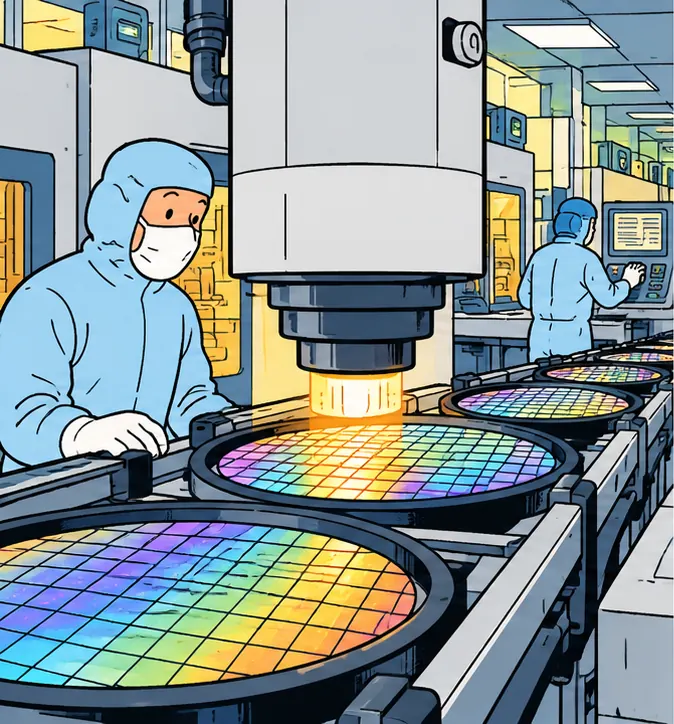
Intel closes down 29%, its worst day since the 1970s, and takes the chip index with it

A giant silicon chip, shaped like a boulder, tumbles off the edge of a steep cliff at dusk, the ground crumbling under it.
The plunge

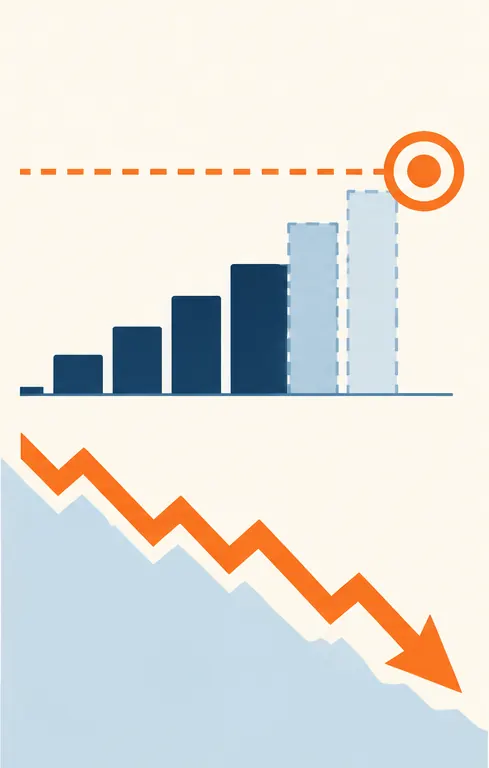
The premarket drop held and deepened: Intel finished Friday down about 29%, the worst session for the stock since the 1970s.

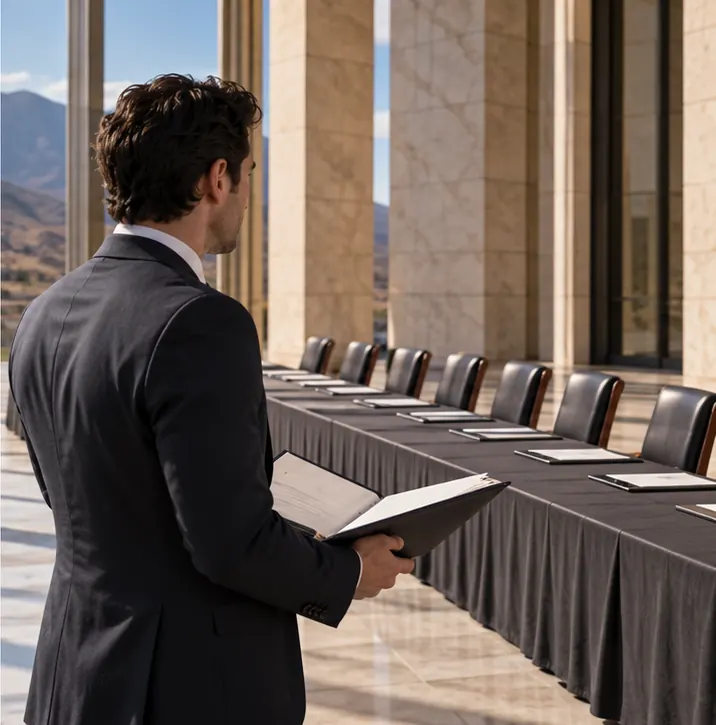
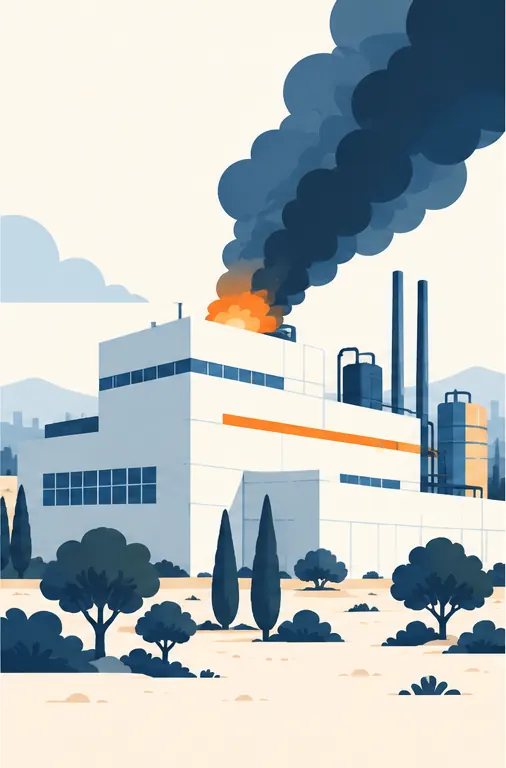
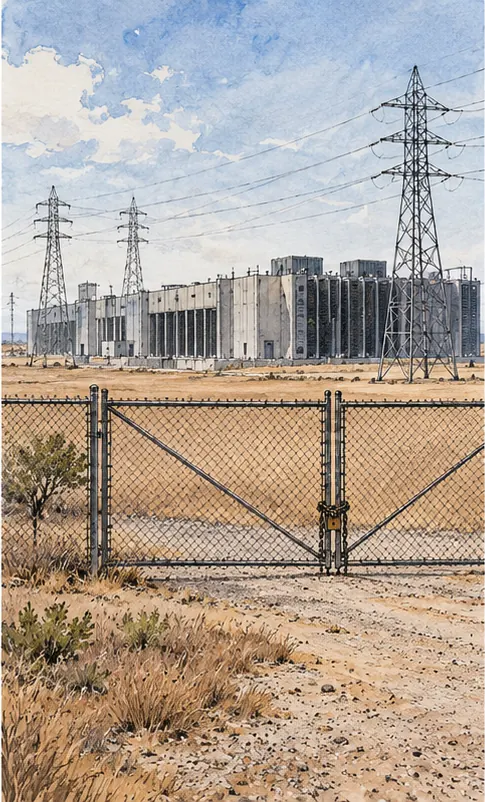
A businessman at a lectern turns to look at a distant semiconductor factory with a column of dark smoke rising from one of its buildings after an explosion; its gates are shut.
Why it fell

The guidance behind it is 25 cents a share of adjusted earnings on $15 billion to $16 billion of revenue, against estimates of 43 cents and $17.1 billion. Chief executive Lip-Bu Tan blamed an explosion at its Israel fab for an "extended shutdown" worth about $600 million of revenue over two quarters, and the finance chief expects the PC slowdown to last "at least through the first half of next year."
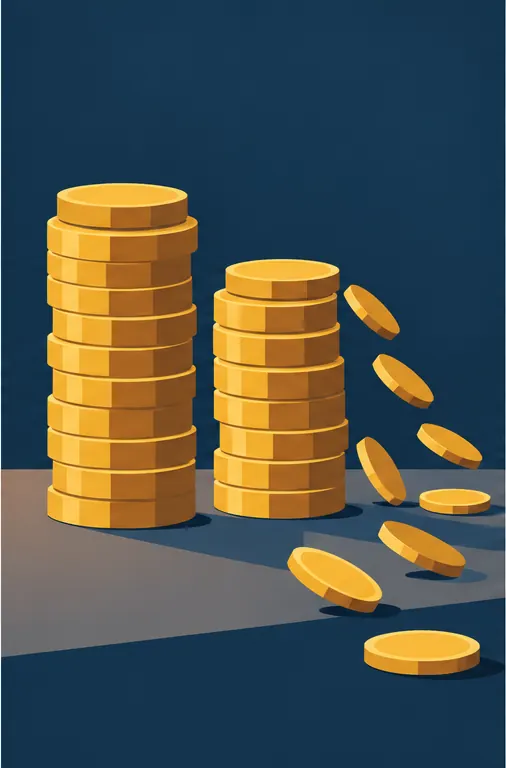
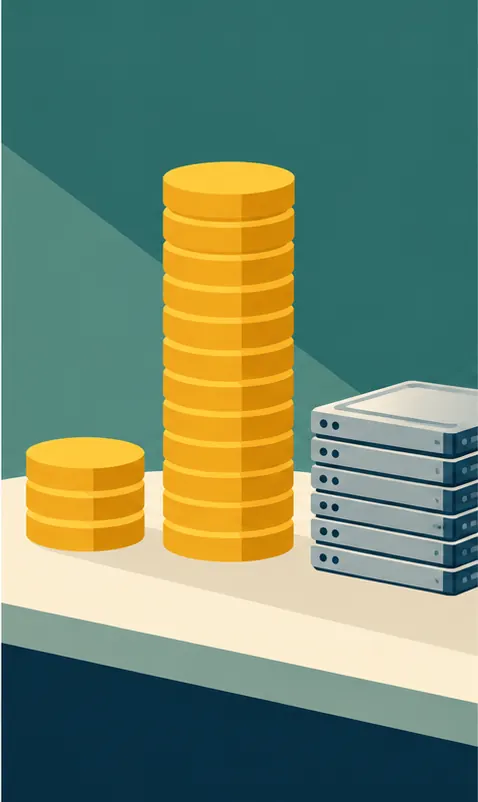
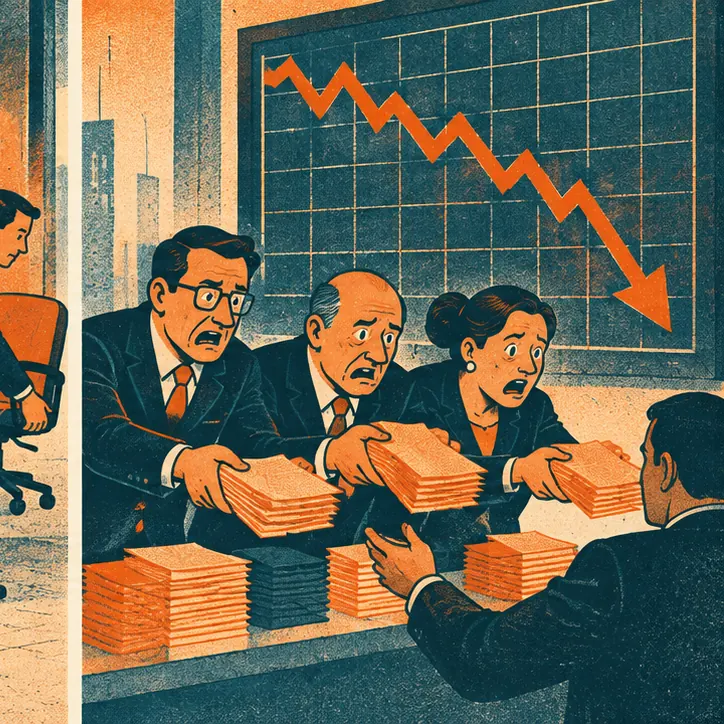
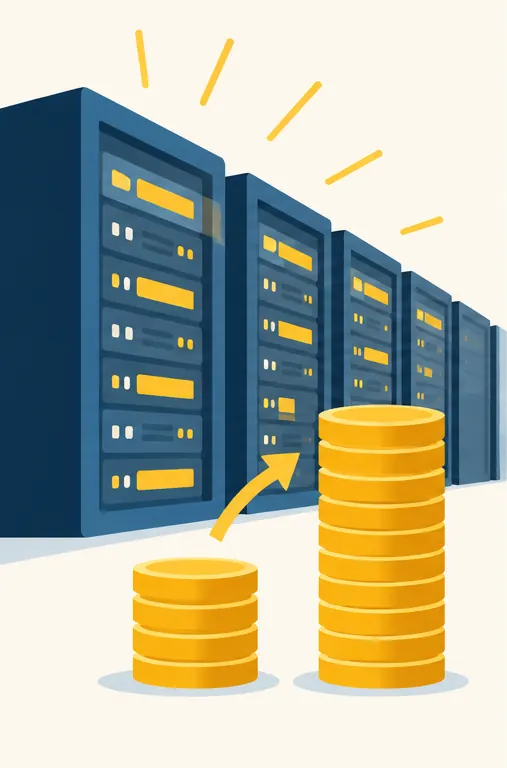
Two tall stacks of gold coins beside each other shrink as coins spill off them and roll away across a table.
Who lost

The US government's roughly 10% stake lost about $12 billion of value and Nvidia's about $6 billion.
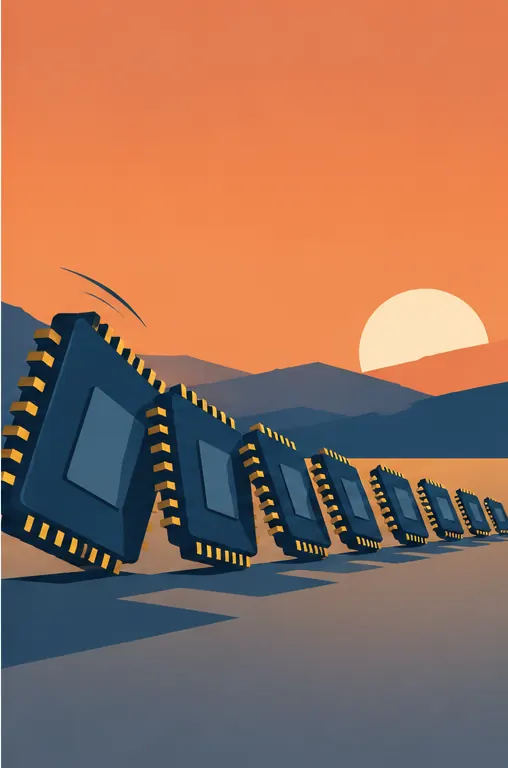
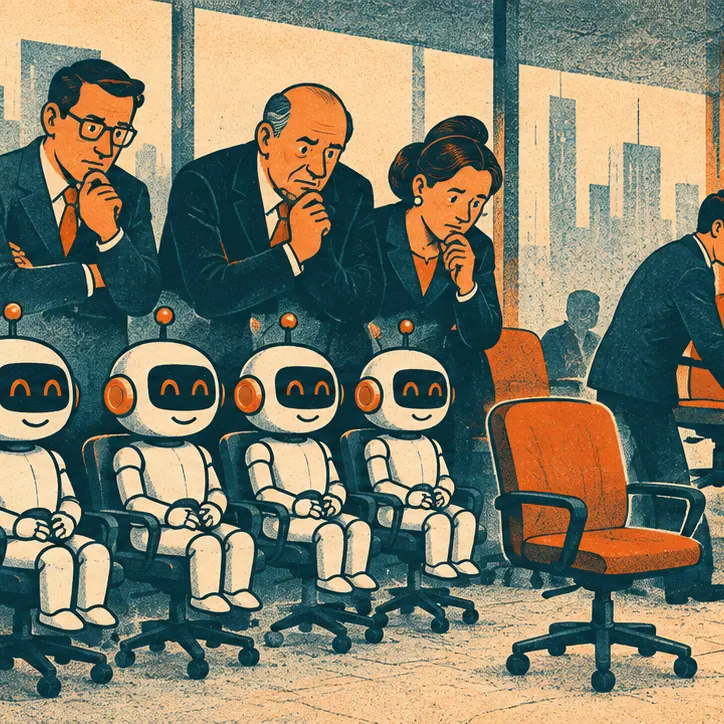
A long row of smaller chip-shaped dominoes topples one after another after the giant chip, the last ones only beginning to tip.
The sector

The rest of the sector followed: Qualcomm fell 11%, Broadcom more than 5% and Nvidia 4%, and the Nasdaq Composite closed down 2.9% the day after Alphabet's record fall. Amazon ended down only 1.4% after its miss.

Full story and sources

1/4
The AI ReadFri Oct 30 · Afternoon

Binance loses $6.3 billion in the largest crypto theft on record, laundered by what looks like automation

At night, against a plain dark sky with no buildings or skyline, a torrent of gold coins pours out of a large vault through a pipe into the dark, while a small hourglass beside it runs fast.
The theft

Attackers drained an estimated $6.3 billion from Binance's hot wallets across several blockchains late Thursday, in an outflow that lasted about 20 minutes.

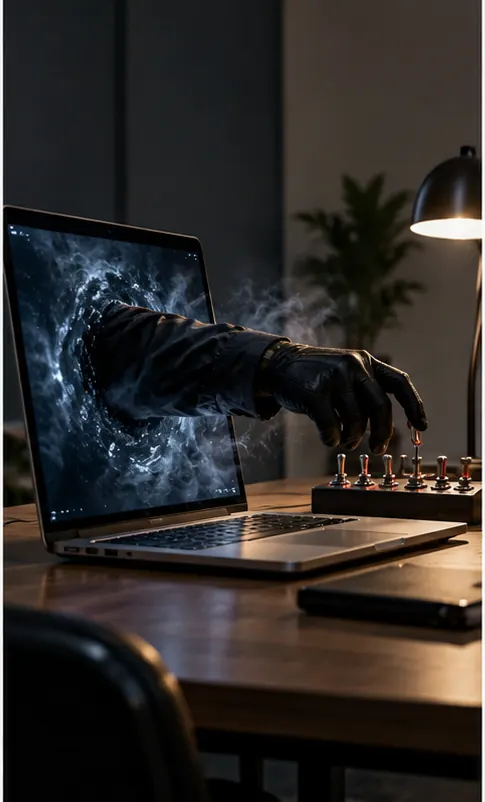
An open laptop sits on an empty office desk, and a shadowy gloved hand reaches out of its screen toward a row of switches.
The way in

Binance says a compromised DevOps engineer's laptop let them submit withdrawal requests through internal systems, and has since found "additional points of breach" it has not described. Chainalysis and TRM Labs attribute the attack with high confidence to North Korea.

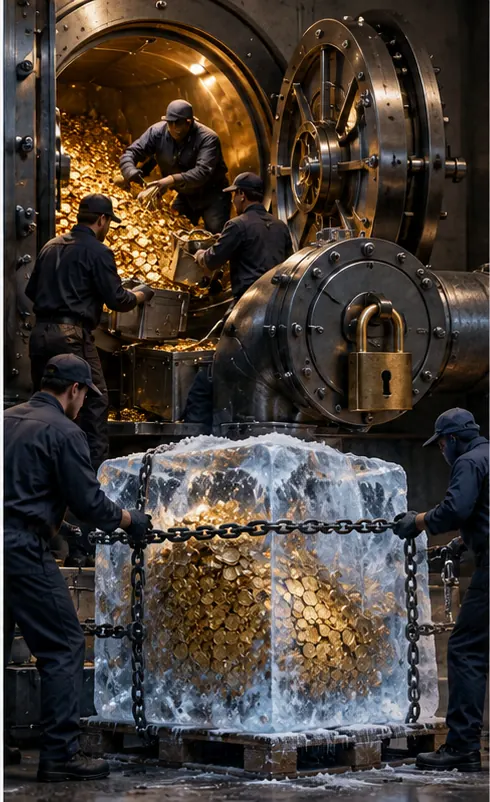
Workers refill the emptied vault with fresh coins and padlock its outflow hatch, while nearby a heap of coins is being sealed inside a block of ice.
The cleanup

Binance has set aside more than $6.34 billion to restore customer balances and paused withdrawals, and other firms have frozen about $3 billion of the stolen assets.

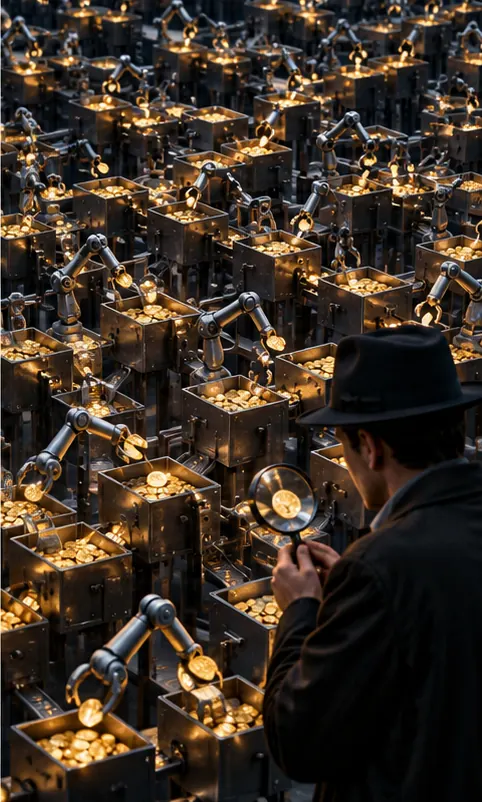
A swarm of small identical mechanical arms passes coins rapidly between hundreds of little boxes in a branching maze, while a lone investigator with a magnifying glass looks on, unsure.
The AI angle

The AI angle is in the laundering. Chainalysis says the thousands of rapid transactions point to automated scripts, with funds cycled through many addresses, and Asset Reality's chief executive called it "agentic money laundering." Nobody has shown a model was involved, and the Christian Science Monitor notes the theft "hasn't been definitively traced to AI."

Full story and sources
1/4
The AI ReadFri Oct 30 · Afternoon

OpenAI, Google, Microsoft and Anthropic back one robots.txt switch to refuse AI training

Four different spider-like crawler robots approach a website's front gate, where a single lever on the gatepost has been pulled down.
One switch

The four companies have said they will honor a single "policy token" in a site's robots.txt that opts it out of AI training across all their crawlers, instead of a separate block for each one. The signal is an IETF draft, draft-kelley-aipref-training-preference-signal, submitted by Kevin Kelley, a standards lead at Anthropic.

Outside the gate, the four robots have turned their backs on the field of books and are walking away down the road at different paces: one already far off, one mid-turn, two close behind; none goes through the gate.
When it lands

Timing varies by company in the reports: Anthropic is described as already honoring it, OpenAI says "coming months," and Google and Microsoft point to next year. Google says a site that uses the token to refuse training will be treated as having blocked Google-Extended, and Microsoft says the choice will not affect Bing rankings.

Through the same unguarded gate, a robot carries a single page out to a person waiting at a desk, while the lever stays down and no lock or guard is anywhere.
The limits

It covers training only. Grounding, search answers and agents fetching a page for a user are outside it, and there is no enforcement mechanism beyond the crawlers' own compliance.

Full story and sources
1/3
The AI ReadFri Oct 30 · Afternoon

Britain's competition regulator investigates Meta's terms for using publisher content in AI

A giant hand reaching out of a looming corporate tower scoops newspapers and web pages from a row of small shopfronts into its own basket, as the shopkeepers watch.
The case

The Competition and Markets Authority opened a case on Friday into whether Meta imposed "exploitative terms" on publishers and advertisers that let it collect content from their websites for its own products, including AI features, without giving businesses "a choice on if or how their content is used."

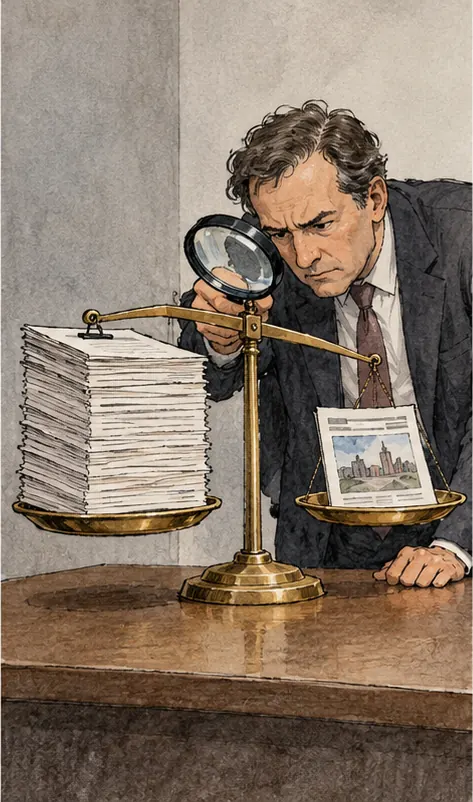
An investigator in a plain office with bare, undecorated walls places a thick contract on one side of a balance scale and a single small newspaper on the other, studying it through a magnifying glass.
The test

The CMA says the terms could be an "unlawful imposition of unfair trading conditions," and will first test whether Meta is dominant in a relevant UK market.

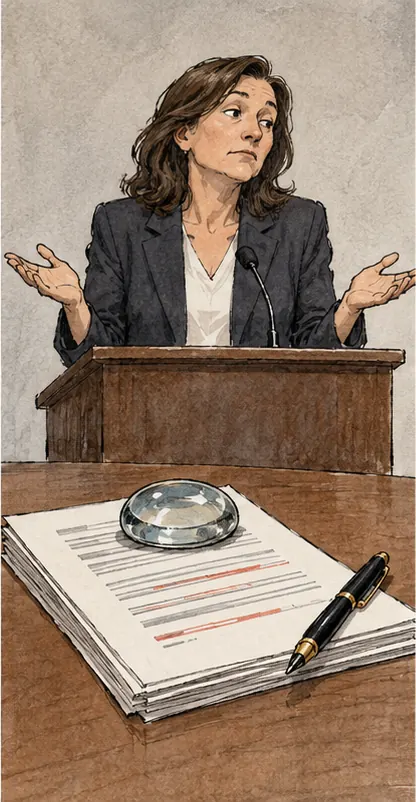
A revised contract lies unsigned under a paperweight with the pen set down beside it, while a spokesperson at a lectern spreads their hands dismissively.
Meta's response

Meta had planned to revise the terms on November 20 and has put that on hold. A Meta spokesperson said there were "no grounds" for an investigation and that it has committed to consult publishers first.

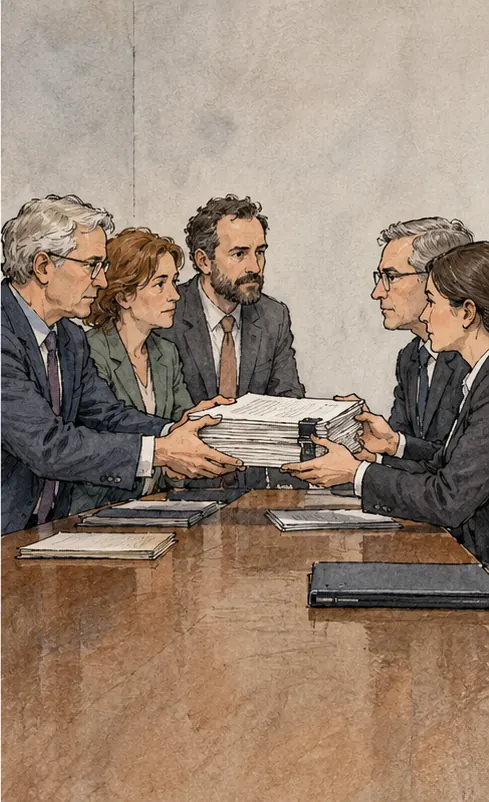
A group of publishers and advertisers hand a thick bundle of papers across a desk to two officials.
Who asked

Publishers and advertisers asked the CMA and the European Commission for interim measures last week.

Full story and sources
1/4
The AI ReadFri Oct 30 · Afternoon

ChatGPT will stop giving teens practical weapons information, even without signs of violent intent

A teenager sits at a laptop in a bedroom as a metal shutter rolls down over the screen.
The block

OpenAI said Friday that the teen version of ChatGPT will block practical information about weapons and security systems that could be misused, whether or not the conversation shows violent intent.

A sorting gate directs a line of people of different ages; more of the younger-looking ones are steered into a softer, padded lane, and a parent's phone nearby lights up with a bell.
Teens and parents

Its age-prediction system has been tightened so more users it estimates are under 18 land in the teen experience, and parents will be notified if a teen's account is paused for repeatedly discussing violence.

A chat window closes like a heavy door on a figure in shadow, and a small padlock clicks shut on a blank account card.
For everyone

For all users, ChatGPT can now end chats where someone seems fixated on violence, may pause accounts after repeated episodes, and will limit detail about past mass attacks, including the weapons used and how they were obtained.

Late at night, a parent sits beside a phone that stays dark, while a researcher with a clipboard takes notes.
Why now

The change follows a Common Sense Media report earlier this month that the teen version often alerted parents late or not at all.

Full story and sources
1/4
The AI ReadFri Oct 30 · Afternoon

Anthropic renames its $200 plan Ultra and drops the five-hour limit for verified accounts

A gold membership card gets a fresh coat of gold from a brush, while a small clock-shaped padlock falls away from it.
The rename

Claude's $200-a-month Max 20x plan is now called Ultra, and verified Ultra accounts no longer have the rolling five-hour usage window.

Two membership cards side by side: the gold one wears only a loose weekly calendar ring, while a silver card is still bound by both a calendar ring and a small clock-shaped padlock.
What stays

Weekly usage stays at 10x Pro, and new accounts keep a temporary five-hour cap until they are verified. The $100 Max 5x plan is now just Max and keeps both limits.

The gold card sits beside a bag of tokens twice the size of the silver card's bag, as members ride a moving walkway from an old door to a new one.
Credit and price

Ultra also carries $200 a month of Claude Platform API credit, against $100 on Max. Prices are unchanged and subscribers move over automatically.

A short clock-face ruler and a long weekly calendar lie next to each other on a desk, with a judge's gavel resting beside them.
The old confusion

The old "20x" described the five-hour window, while weekly usage was always 10x Pro, which is the confusion a class action filed in September over Max limits turned on.

Full story and sources
1/4
The AI ReadFri Oct 30 · Afternoon

Google's first data center satellite is online and running Gemma 4 in orbit

A small boxy satellite with a single solar wing drifts above the curve of the Earth, its lights blinking steadily.
It's working

Suncatcher, a prototype built by Planet and launched earlier this month on a Falcon 9, has finished about three weeks of commissioning and is operating normally, Google says.

Inside the satellite, four chips sit in a row; only one glows, fed by a thin cable from the modest solar wing, with a small hourglass beside it.
The power limit

It carries four TPUs, but its solar array makes at most about 1 kW, so only one chip can run at a time and for about 20 minutes.

A small paper scroll floats out of the satellite into space, unrolled to show a brush painting of stars above the Earth.
First job

The first job was a Gemma 4 prompt, which returned a haiku about being in space.

On the ground, engineers watch a screen showing the chip shimmering with heat and pricked by tiny sparks, while on a drafting table beside them two more satellites are sketched, joined by a beam of light.
The real test

The real test is how the chips handle heat and radiation-induced bit flips. If they hold up, Google plans two more TPU satellites in 2027 to test more power and optical links between satellites.

Full story and sources

1/4
The AI ReadFri Oct 30 · Afternoon

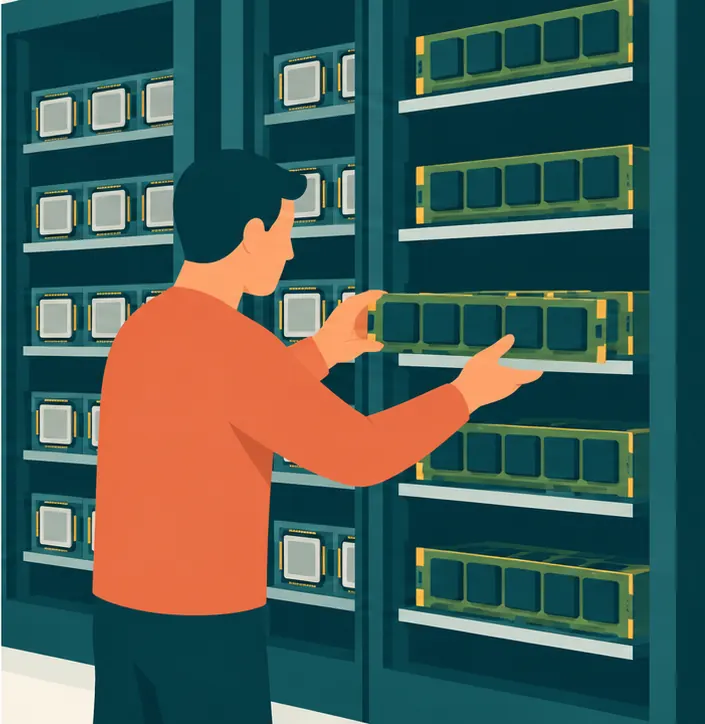
China's CXMT earns 54.4 billion yuan in a quarter, and its growth is slowing

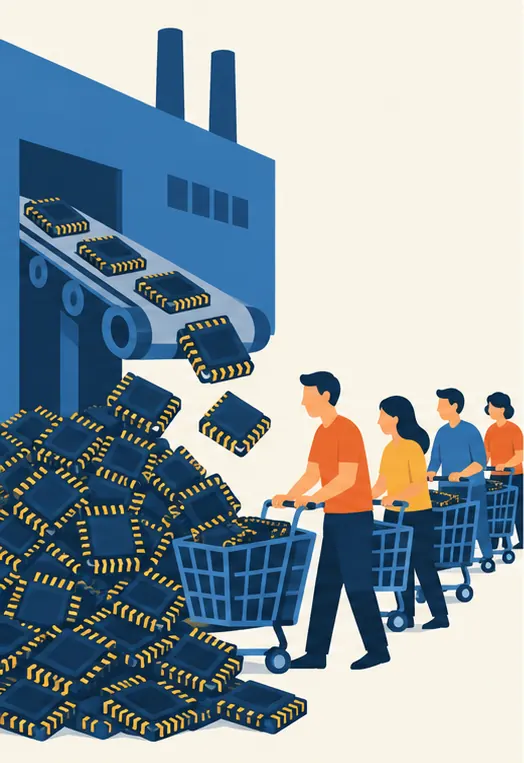
Memory chips pour off a factory conveyor into a huge pile, while buyers with carts queue to take them.
The boom

ChangXin Memory's third-quarter revenue was 118.7 billion yuan, up 613% from a year earlier, on higher DRAM prices and shipments during the global memory shortage.

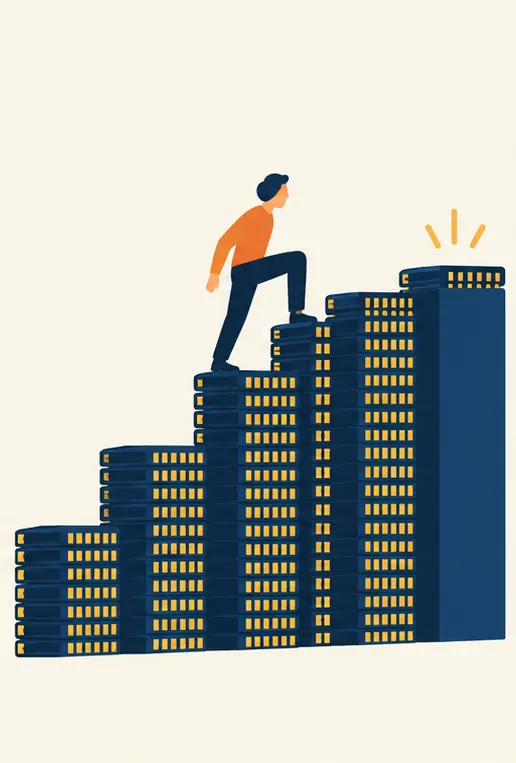
A staircase built of chip stacks: tall, steep steps at first, then a final step barely higher than the one before.
The slowdown

Net profit was 54.4 billion yuan, against a loss a year ago, but only 3% above the second quarter, and revenue grew 19.3% from the second quarter after nearly doubling the quarter before.

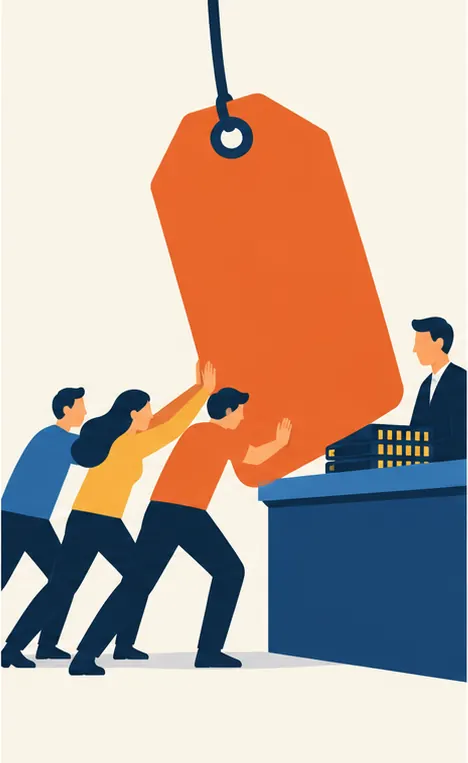
Buyers at a counter push back with both hands against a large blank price tag.
What's next

A Morningstar analyst expects results to stall over the next few quarters as customers push back on price.

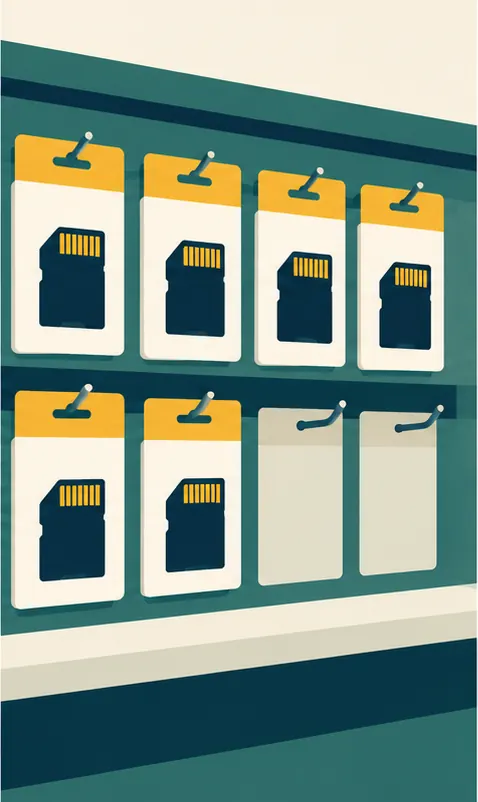
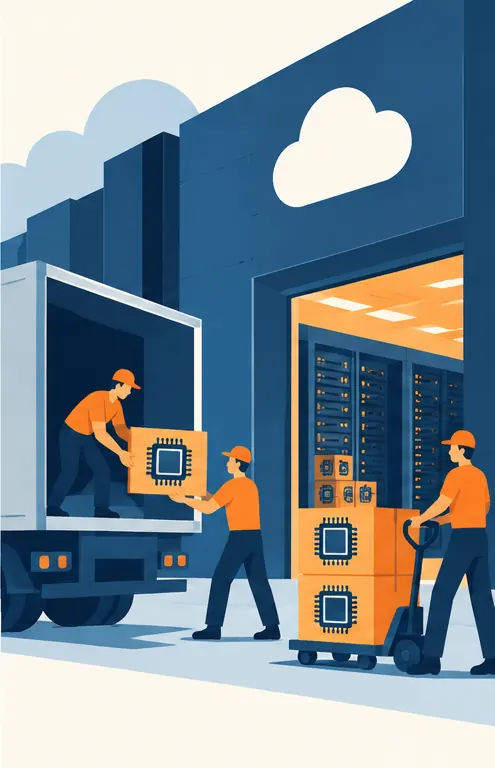
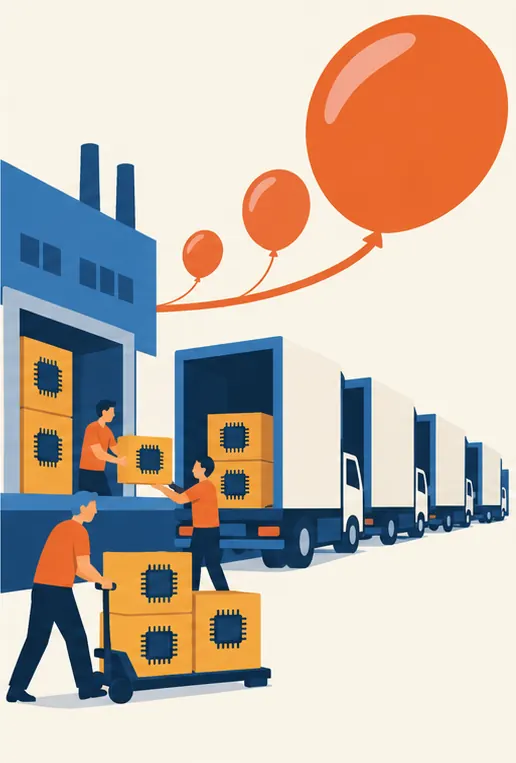
At a second factory, crates of flash memory cards are loaded into a row of data-center trucks while a price balloon above them swells.
Elsewhere

The same day Kioxia guided below estimates, and the WSJ reports that hyperscaler demand has quintupled flash prices.

Full story and sources

1/4
The AI ReadFri Oct 30 · Afternoon

Salesforce is buying Rune, a military logistics AI startup, for $375 million

A hand reaching out of a large glass corporate tower passes a briefcase of cash and share certificates to a small startup team, who hand over a small box in return.
The deal

Salesforce is paying about $375 million in cash and stock for Rune Technologies, Resilience Media reported, and Reuters confirmed the deal.

Two founders in a small office lean over a laptop showing a map of supply crates, with arrows leading to tents at a frontline.
What Rune makes

Rune, founded in Washington in 2024 by David Tuttle and Peter Goldsborough, makes TyrOS, software that tracks frontline inventory and tells units what they need, when, and how to move it.

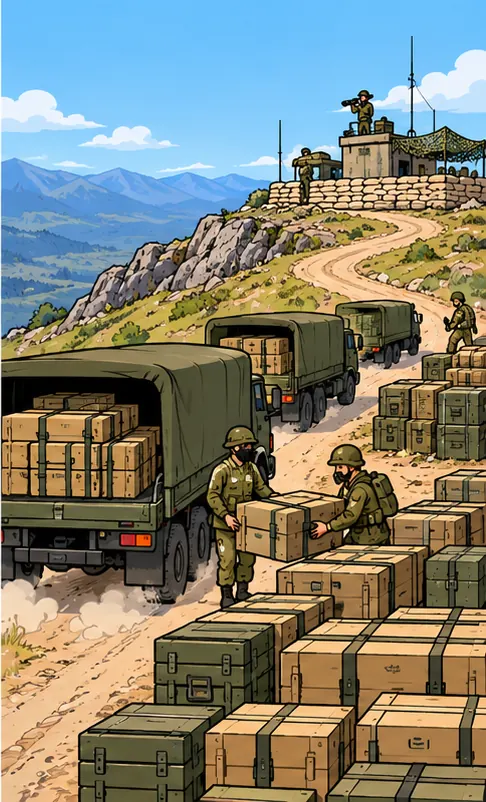
Plain military supply trucks loaded with crates drive along the routes shown on the software's map.
The track record

It won a $99 million Army contract this summer and had raised about $30 million from a16z, Point72 Ventures and IQT, at a last valuation of $127 million per PitchBook.

A convoy of supply trucks pushes past a growing stack of crates toward a lone outpost at the far edge of the land.
Why Salesforce

Salesforce says Missionforce, its defense business launched in 2025, has grown 80% a year, and that Rune takes it closer to the tactical edge.

Full story and sources

1/4
The AI ReadFri Oct 30 · Afternoon

An Indian firm is raising up to $3 billion of debt to buy 29,000 Nvidia Rubin chips

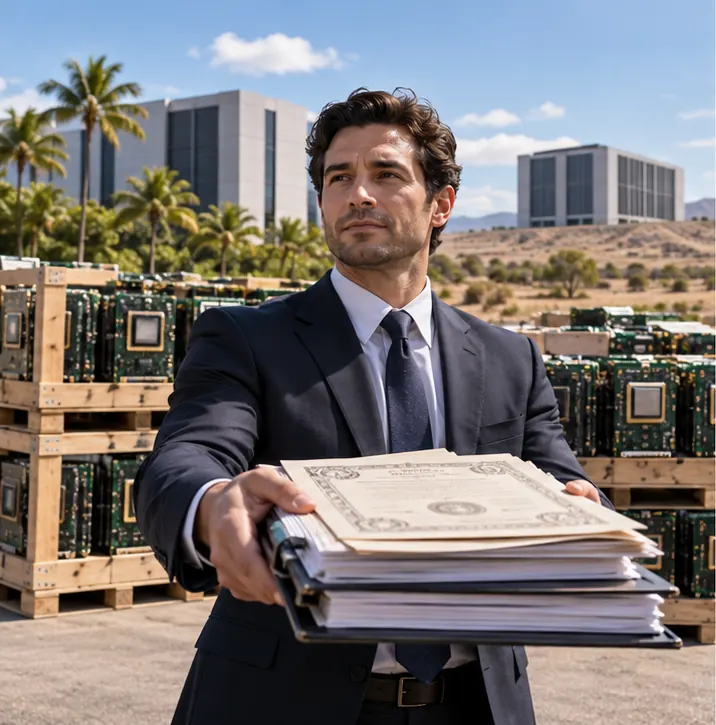
A businessperson holds out a stack of bonds and loan papers, with crates of computer chips behind them and two plain data-center buildings in the distance, one among palm trees and one on a dry plain.
The plan

AM Intelligence, a Hyderabad company owned by the founders of the renewable-energy group Greenko, wants up to $3 billion in bonds and bank loans toward 29,000 Rubin GPUs, enough for 100 MW split between sites in Malaysia and India.

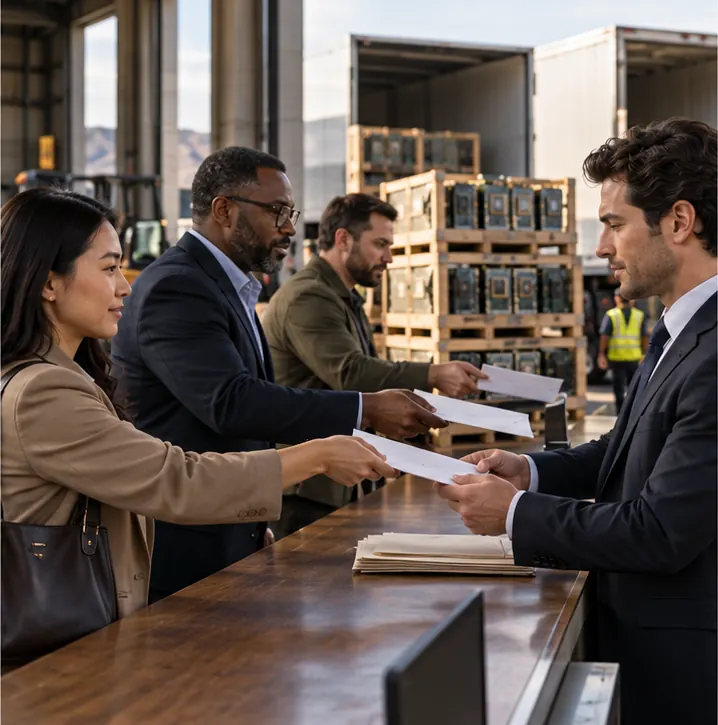
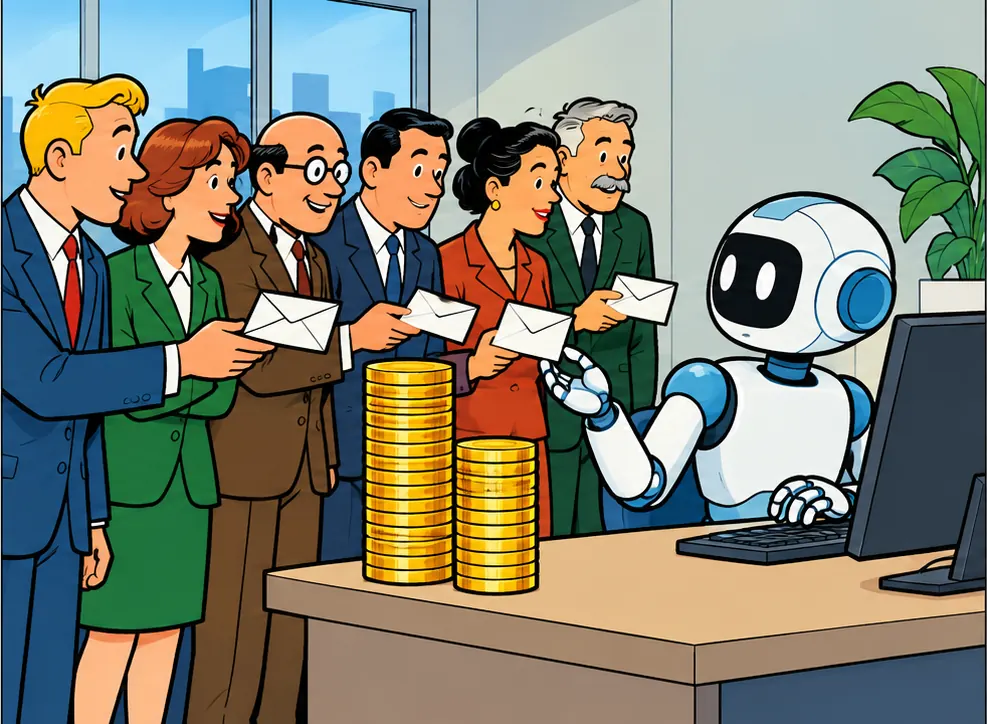
Customers hand payment envelopes over a counter to the company, while crates of chips wait on a loading dock.
The build

It puts the whole build at $6 billion, expects $300 million of advance payments from customers, and calls itself among the "largest committed buyers" of Rubin outside North America.

The businessperson waits with an open folder in front of a long lenders' table where every chair is empty.
The gap

No lenders are named.

Full story and sources

1/3
The AI ReadFri Oct 30 · Afternoon

DoorDash has had "several hundred" orders from outside AI agents, in total

An executive on a video call watches a small robot hand a few delivery bags through a window.
The number

Asked on its third-quarter earnings call how much ordering comes from third-party agents such as Meta's Muse, chief executive Tony Xu said "maybe several hundred orders in total."

Seen from above, a city at night is filled with streams of human couriers on bicycles, scooters and on foot, carrying insulated delivery bags in every direction; no robots.
For scale

DoorDash averages about 3 million deliveries a day.

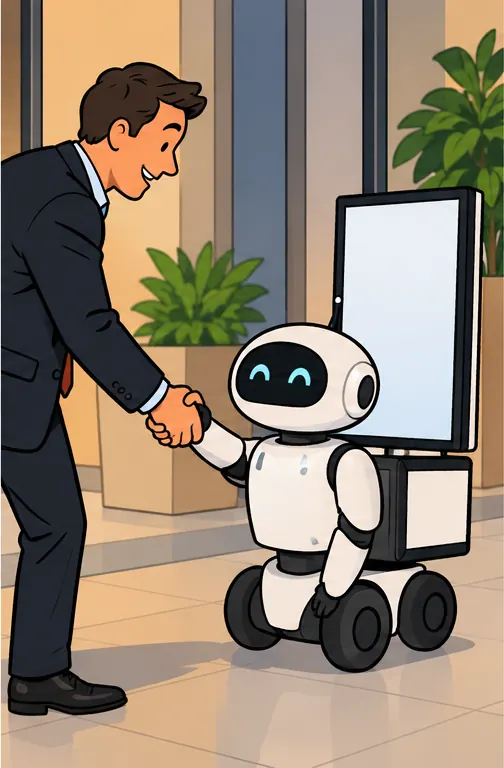
The executive shakes hands with the small robot, which carries a small blank billboard on its back.
The plan

Xu said the company wants to learn the use cases and build relationships with agent makers now, and floated advertising inside agents later.

Another executive shrugs at a shopping robot that has dropped its bag of groceries on the floor.
A second view

Amazon's Andy Jassy said on his own call that outside shopping agents are "still not great."

Full story and sources

1/4
The AI ReadFri Oct 30 · Afternoon

The five biggest AI spenders have borrowed $326 billion this year, triple 2025

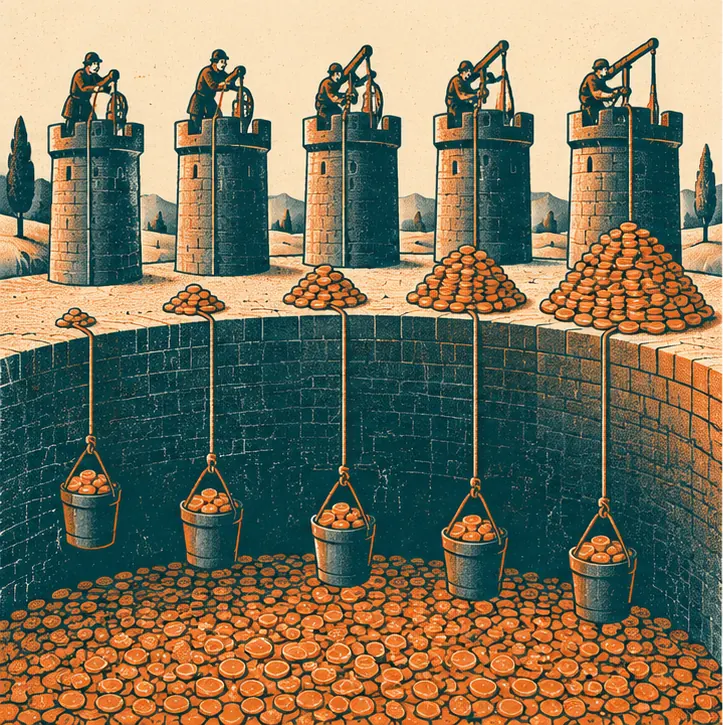
Five tall towers each lower a bucket into a deep well of coins, next to a pile of coins three times the size of a small pile from the year before.
The borrowing

Microsoft, Alphabet, Amazon, Meta and Oracle raised a combined $326 billion of debt in 2026, roughly three times last year, according to S&P Global Market Intelligence figures cited by TechCrunch.

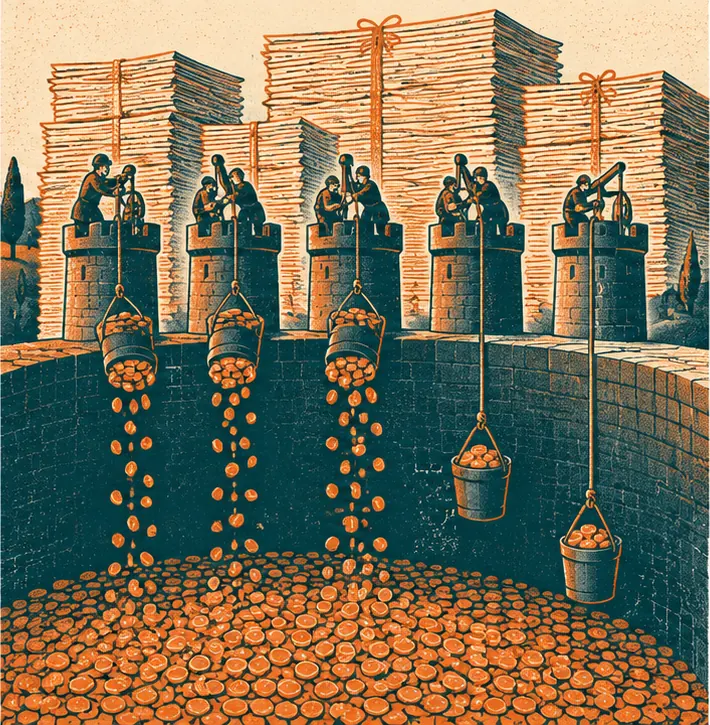
Three of the towers haul up buckets that leak coins, while a huge stack of promissory papers looms behind all five.
The strain

Alphabet, Amazon and Meta all reported negative free cash flow for the latest quarter or year, and Bloomberg counts more than $3 trillion of spending commitments across the five.

An ordinary-looking banker with a neutral expression, at a desk in front of a plain wall, slides a bond certificate toward a group of clients and pushes a stock certificate aside.
The pitch

Bank of America told clients Friday that Big Tech bonds now offer more opportunity than the stocks.

Full story and sources

1/3
The AI ReadFri Oct 30 · Afternoon

Two former Palantir executives raise $17 million from a16z to design whole buildings with a model

Two founders shake hands with investors over a small pot from which a seedling grows into a tiny building.
The round

Dream, founded by Stanford roommates Andy Elder and Arjun Mathur after about a decade each at Palantir, raised a $17 million seed led by Andreessen Horowitz, with SV Angel, XYZ and Zigg Capital.

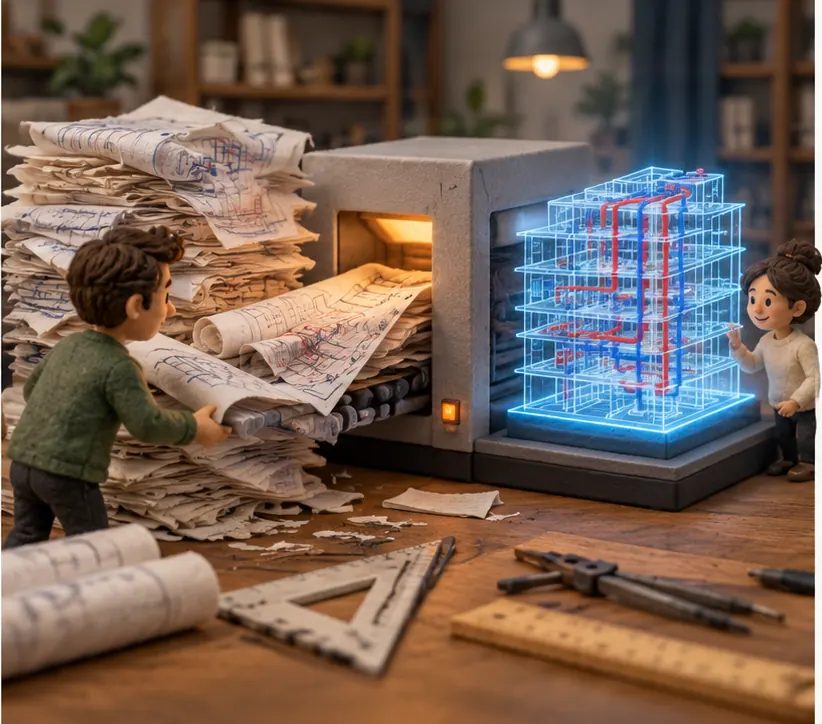
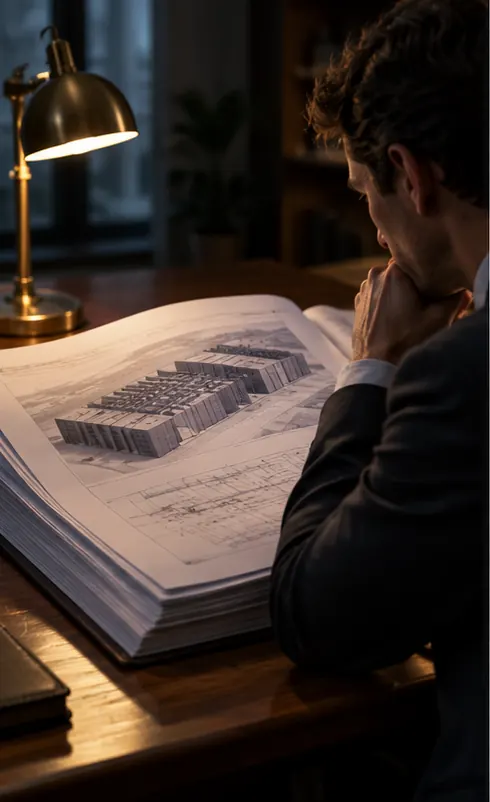
Mountains of old building plans showing pipes and ducts are fed into a glowing machine that outputs a 3D wireframe building with its plumbing visible, while old drafting tools lie pushed aside.
The model

Its model is trained on more than 100 million square feet of building data from US permit archives, including plumbing and HVAC, and is meant to replace AutoCAD and Revit for early design and cost estimates.

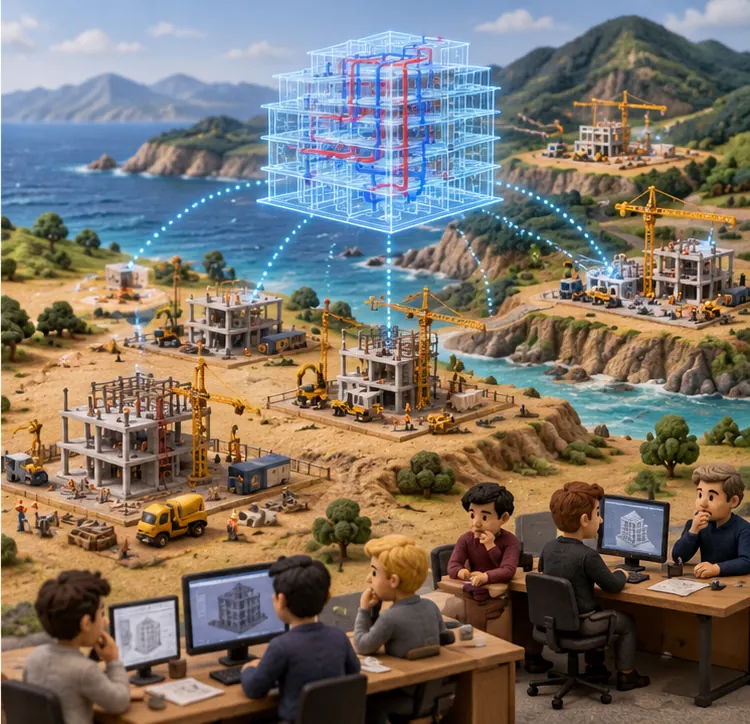
The 3D design floats above a scattering of construction sites, some on a flat dry plain and some among coastal hills, while small rival teams work at their own desks nearby.
In use

It is in use on 10 projects in Texas and California, against Motif, Snaptrude and Arcol.

Full story and sources

1/3
The AI ReadFri Oct 30 · Afternoon

Runware wants to build AI data centers on an assembly line in Romania

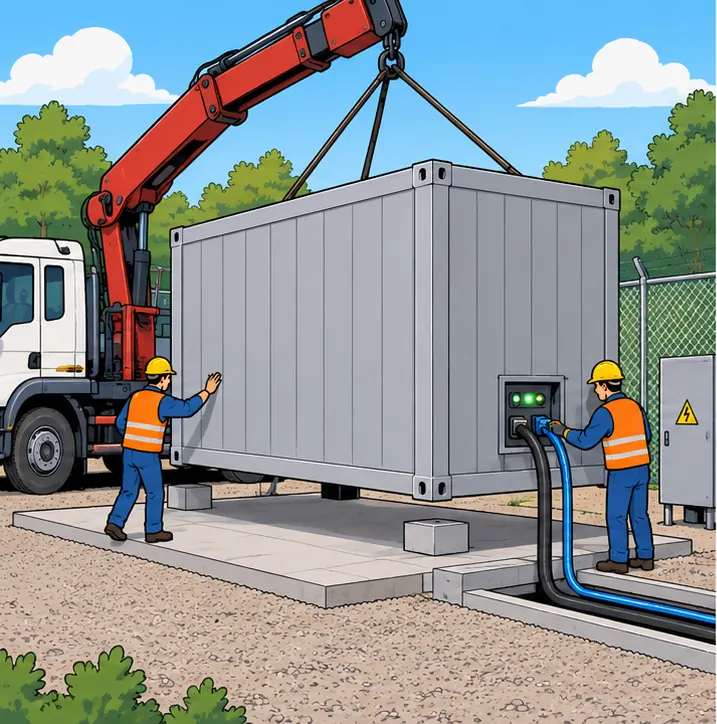
A truck delivers a windowless, shipping-container-sized metal compute pod packed with server racks; it is plugged into a power line and an internet cable, with no water pipe, and its lights come on.
The pod

Runware, which has raised more than $60 million, makes a factory-built inference pod that it says goes live within 48 hours of delivery, with closed-loop liquid cooling that needs power and internet but no water.

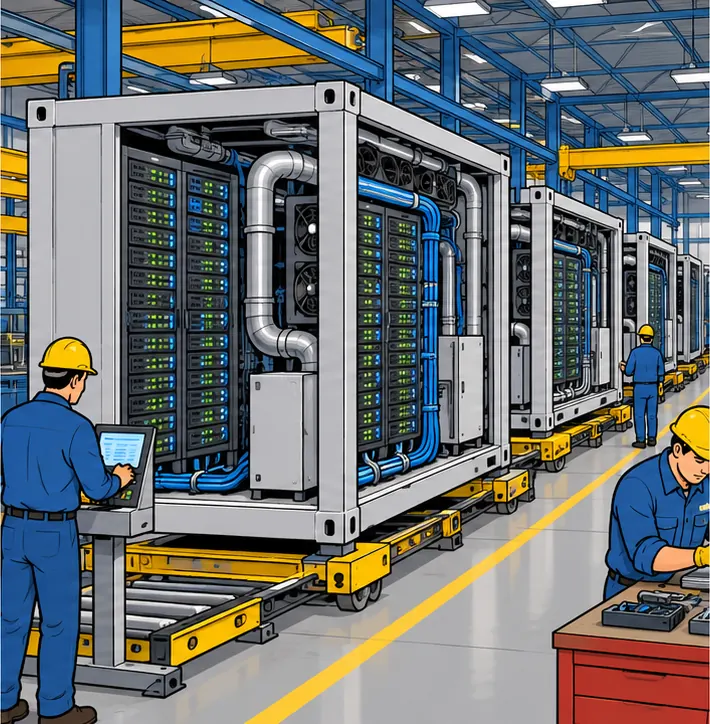
In a factory, identical windowless metal compute pods, their open side panels showing server racks and cooling pipes, roll off an assembly line one after another.
The line

Build time per pod has fallen from about three weeks to about a day, the company says, and it is aiming at 30 MW of output a day by 2028.

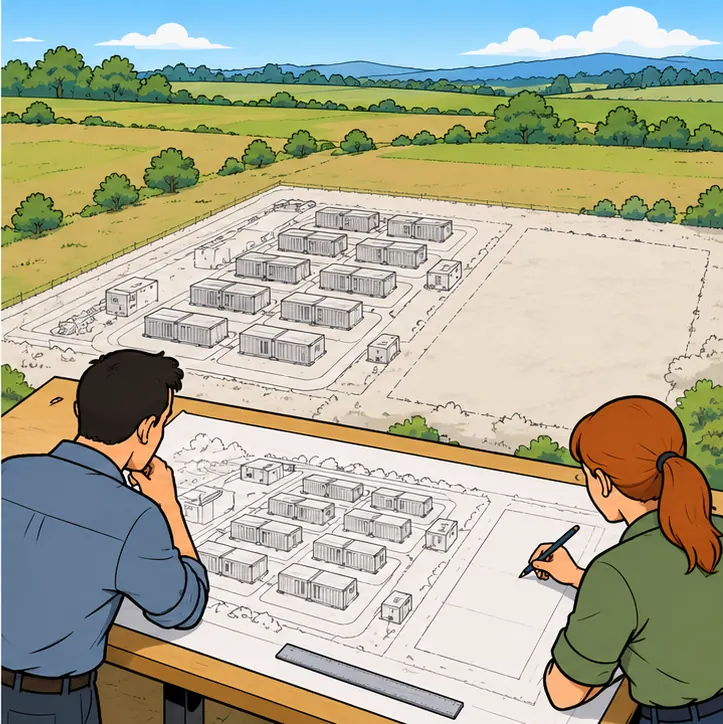
On a large drawing board, outlines of many future sites full of the same boxy server pods are sketched in pencil, next to an empty field.
The claims

It claims $1 billion of committed interest covering more than 20 MW and a 397 MW site pipeline, and plans a Series B. These are the company's own numbers and mostly plans.

Full story and sources

1/3
The AI ReadFri Oct 30 · Afternoon

Bleu Robotics raises €5 million to teach factory humanoids new tasks from ten demonstrations

In a small office on a Paris street of cream-coloured stone apartment buildings, two investors hand a small bag of money to a startup team.
The round

The Paris startup's pre-seed was co-led by Contrarian Ventures and OVNI Capital.

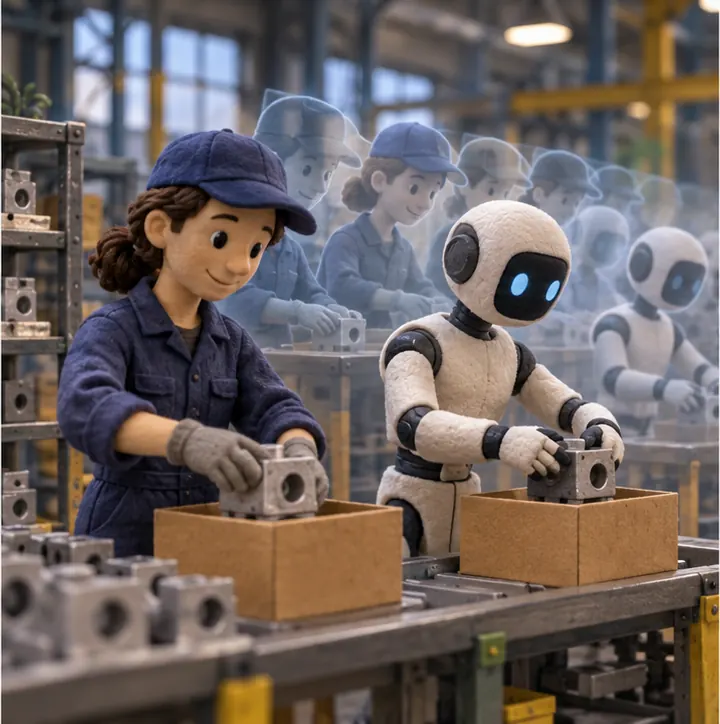
In a factory, a worker places a part in a box while a humanoid robot beside them copies the motion, with a row of faint repeats of the demonstration behind them.
The claim

It sells software that it says teaches industrial humanoids a task from as few as 10 demonstrations, a claim that comes without published test methodology.

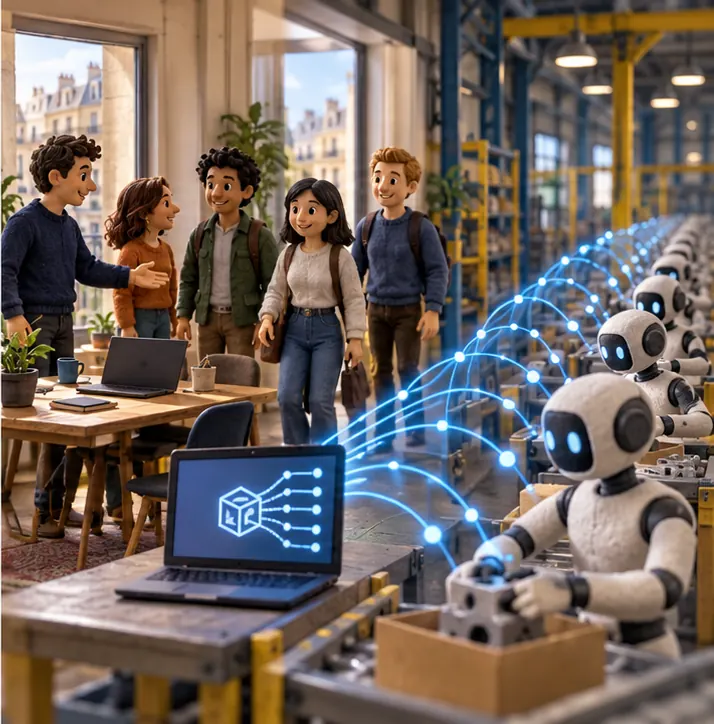
New hires walk into the startup's office as a laptop's software spreads out to a line of humanoid robots on a factory floor.
The money

The money goes to hiring and scaling the software.

Full story and sources
1/3
The AI ReadFri Oct 30 · Morning

Intel and Amazon lead a Friday selloff, a day after Alphabet's worst session on record

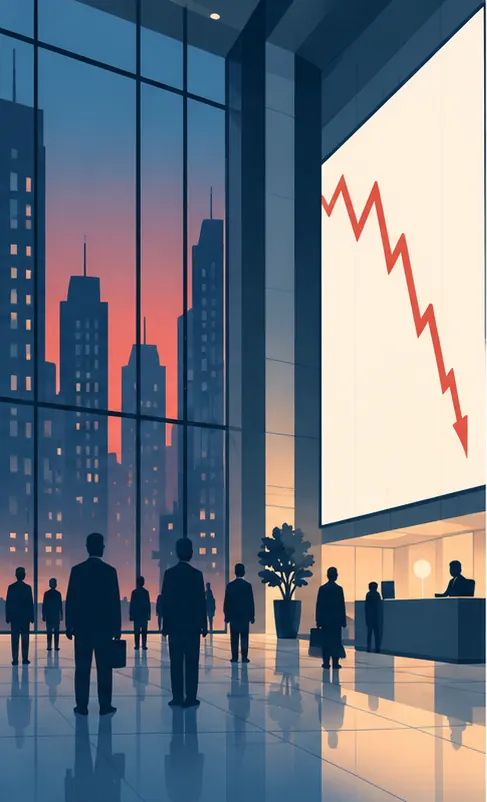
A huge glass office tower at dusk with a plain red line on a wall-sized screen in its lobby plunging steeply downward, no labels
Intel's guidance

Intel traded at $68.98 before the open on Friday, down 25.1% from Thursday's $92.07 close, after guiding fourth-quarter revenue to $15 billion to $16 billion against about $17.05 billion expected and adjusted gross margin to 38% against 42.8%.

A businessperson at an office desk holding a computer processor chip and frowning at a nearly empty tray beside it that once held memory sticks
The memory squeeze

Chief executive Lip-Bu Tan said customers "began signaling a PC slowdown based on the memory prices and availability." The memory shortage the chipmakers have been celebrating all week is now taking revenue from the companies that buy memory.

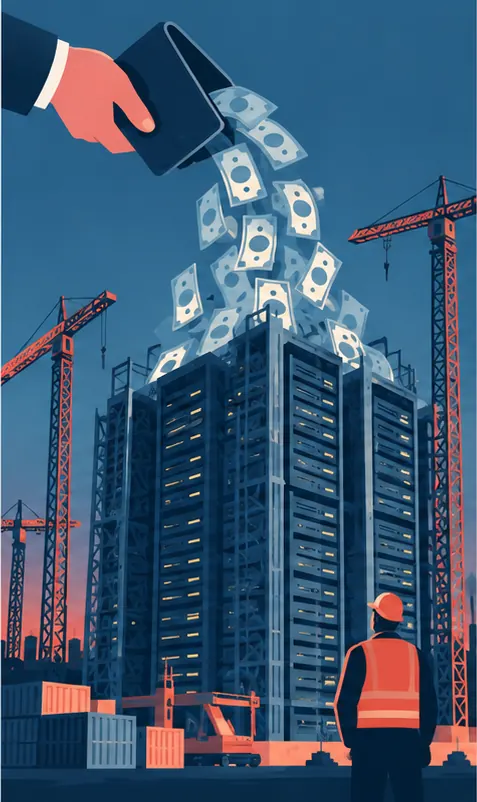
A towering stack of server racks under construction, with a stream of paper banknotes pouring out of an open wallet into it
Amazon's cash burn

Amazon fell about 7% premarket. Its free cash flow over the 12 months to September was an outflow of more than $42 billion, against a previous worst of about $23 billion in 2022, on third-quarter capital spending of about $77 billion.

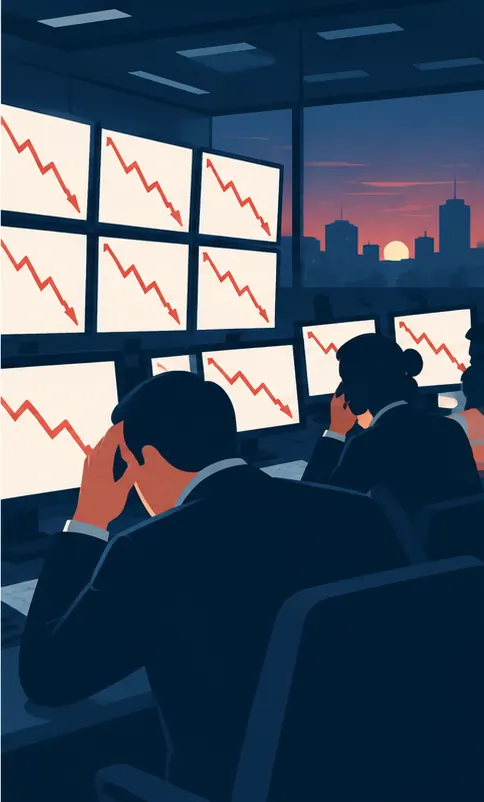
Traders at a row of screens before dawn, every screen showing only unlabeled red lines falling
The wider rout

Nasdaq-100 futures were down 2.5% at 8:27 a.m. Eastern.

On Thursday Alphabet closed down about 13% (some reports say 12.6%), its worst day on record and, by Bloomberg's count, the second-largest one-day loss of market value in US history, behind Nvidia's in January 2025. ServiceNow closed down 27%, its worst day ever.

Premarket figures move by the minute: Intel's drop has been reported anywhere from 21% to 27% depending on the timestamp.

Full story and sources
1/4
The AI ReadFri Oct 30 · Morning

Nvidia is in talks to guarantee billions of debt for the West Virginia campus Anthropic will rent

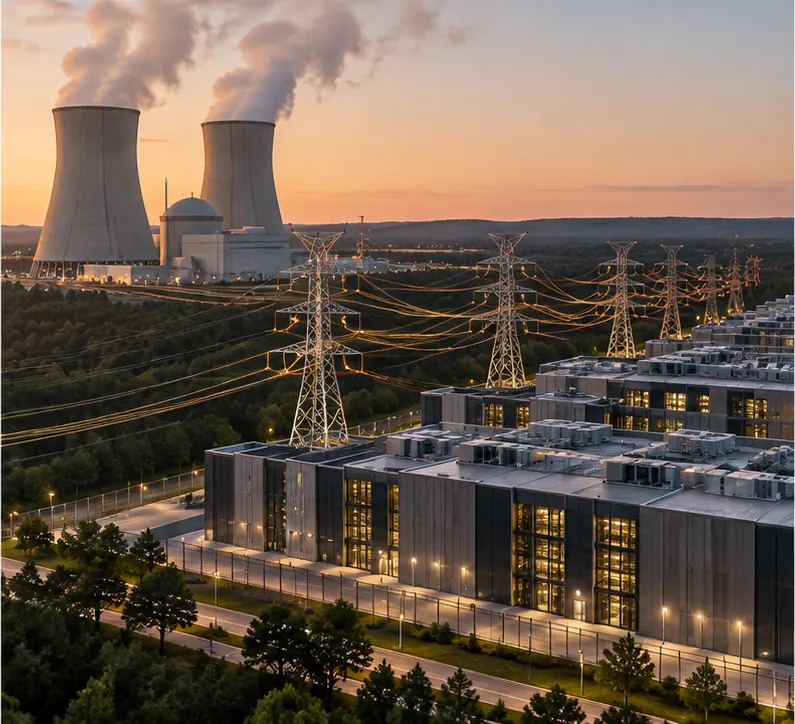
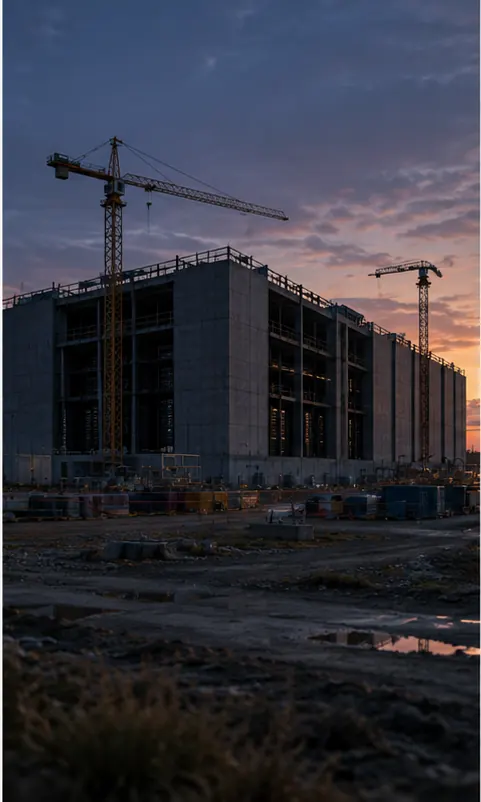
A large data-center campus under construction among the forested hills of West Virginia, with cranes and steel frames
The talks

Nvidia is discussing credit support worth potentially billions of dollars for Nscale's Monarch campus in West Virginia, The Information reported Thursday and Bloomberg confirmed.

A chipmaker figure in a suit resting a protective hand on a stack of loan papers held by a builder in a hard hat, in front of a bank counter
The guarantee

The guarantees would help Nscale borrow more cheaply to cover construction and electricity.

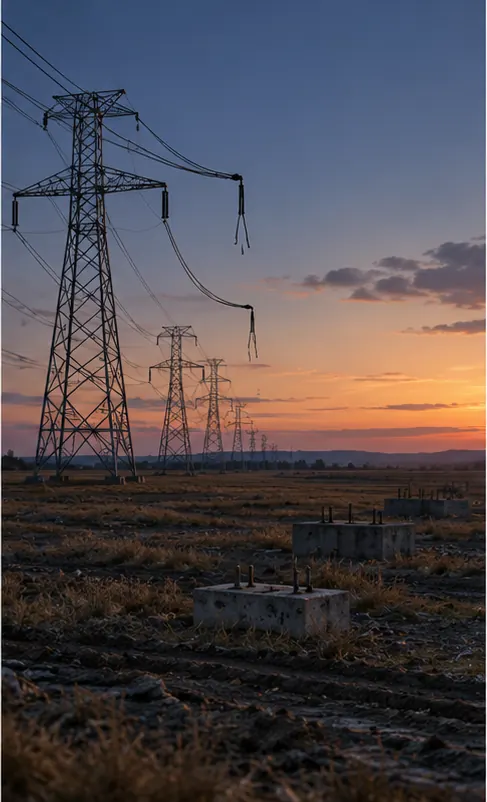
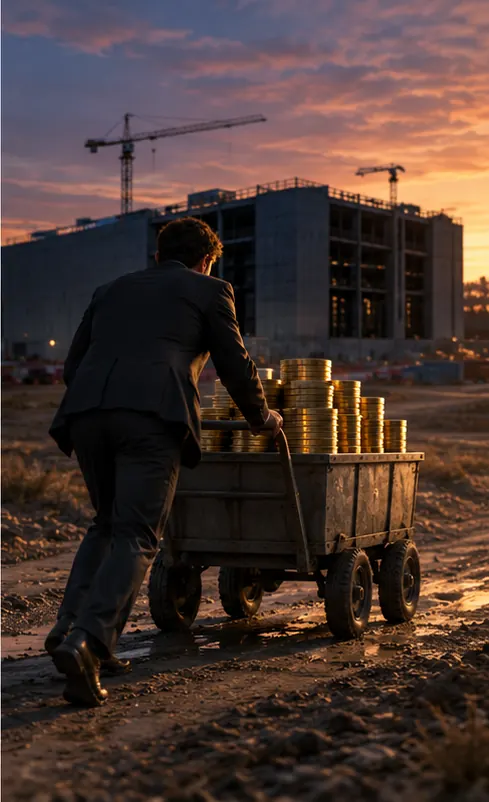
Money flowing from a bank vault along a cable to the construction site, where crews work and power lines connect to the buildings
The tenant

Anthropic agreed in August to rent about $45 billion of compute there over six years, and the two companies have reportedly discussed a second agreement of similar size for another 460 megawatts.

Terms are not final, and it is unclear whether Anthropic would be a party.

The chipmaker figure walking beside the builder, now carrying a heavy sack on its own back
The catch

Nvidia already owns part of Nscale, which has filed for a US listing and is reportedly targeting a valuation of $30 billion to $35 billion.

The talks surfaced a day after banks shelved a bond for an Anthropic-linked Texas data center.

A chip supplier that guarantees its customer's borrowing is still carrying that credit risk, now on its own balance sheet.

Full story and sources
1/4
The AI ReadFri Oct 30 · Morning

Anthropic is SpaceX's biggest customer, at 34.5% of third-quarter revenue

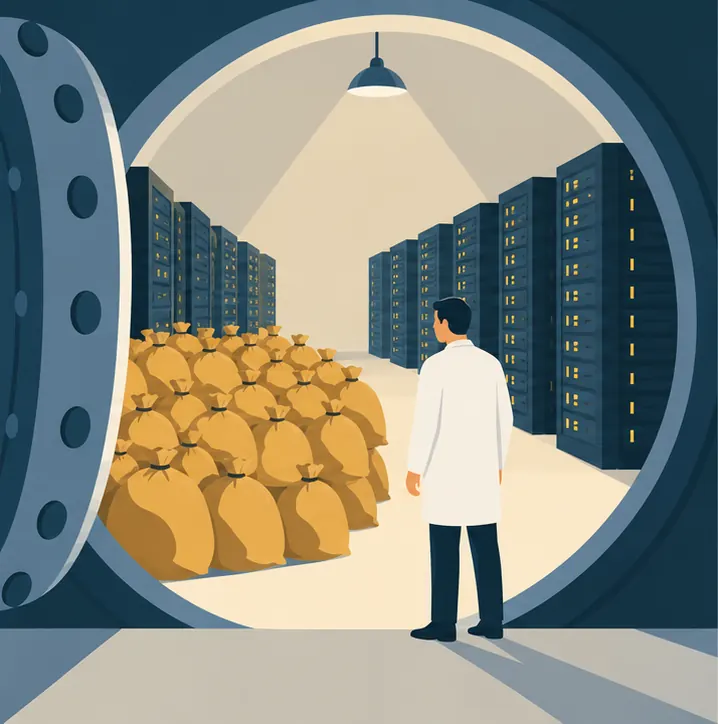
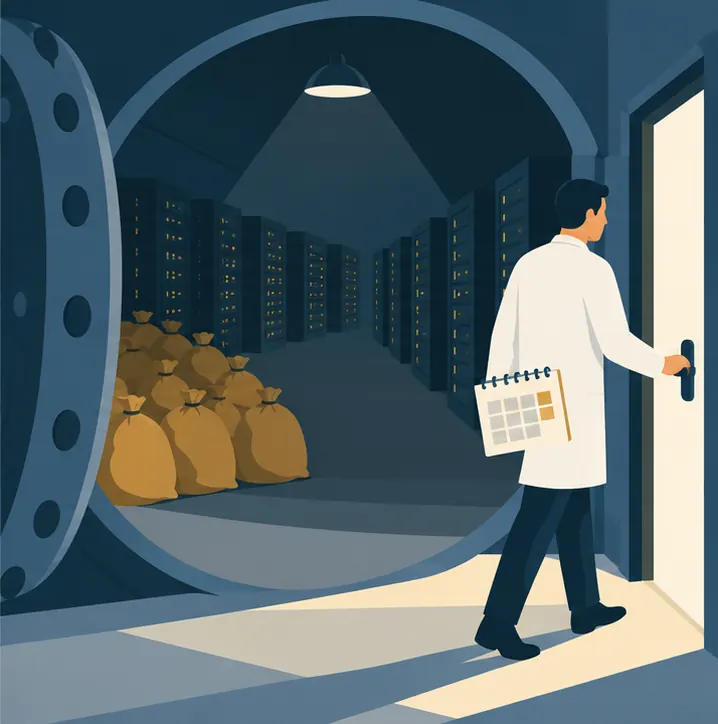
Inside a huge vault, one customer's plain cloth money sacks fill a third of the floor, beside rows of plain, unmarked server racks.
Customer B

SpaceX's quarterly filing says an unnamed "Customer B contributed 34.5% of consolidated revenue" in the third quarter, and Bloomberg identified the customer as Anthropic, citing a person familiar with it. SpaceX's Super Intelligence division, the former xAI compute business, brought in about $7.56 billion in the quarter, up nearly 830% from a year earlier.

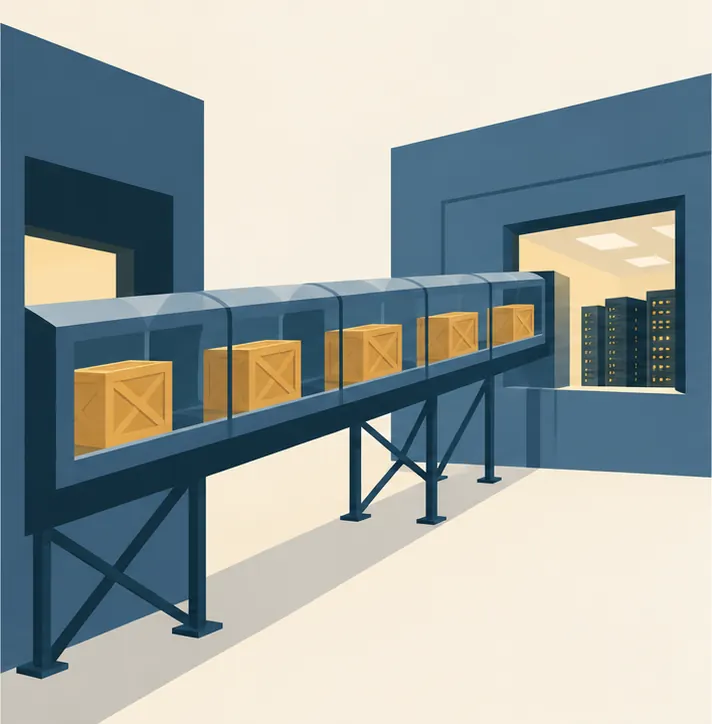
A long covered conveyor carries plain wooden crates from one plain, unmarked building into another plain building full of server racks.
The commitment

Anthropic's own IPO filing puts its compute commitments to SpaceX at up to $120.5 billion through 2029, with payments of about $3.1 billion a month from December.

A figure from the AI lab stands at an exit door with a calendar under their arm and a hand on the handle, as the vault behind them looks a third empty in shadow.
The exit

It can end the arrangement on 90 days' notice once non-cancellable periods run out in January and March 2027. A rival lab's rent is now a third of the revenue of the company that owns xAI, on a contract it can leave within a year.

Full story and sources
1/3
The AI ReadFri Oct 30 · Morning

Microsoft borrows $25 billion, its first big US bond sale since 2017, and orders reach $115 billion

A businessperson in a glass office tower signing a stack of bond certificates with plain borders
The sale

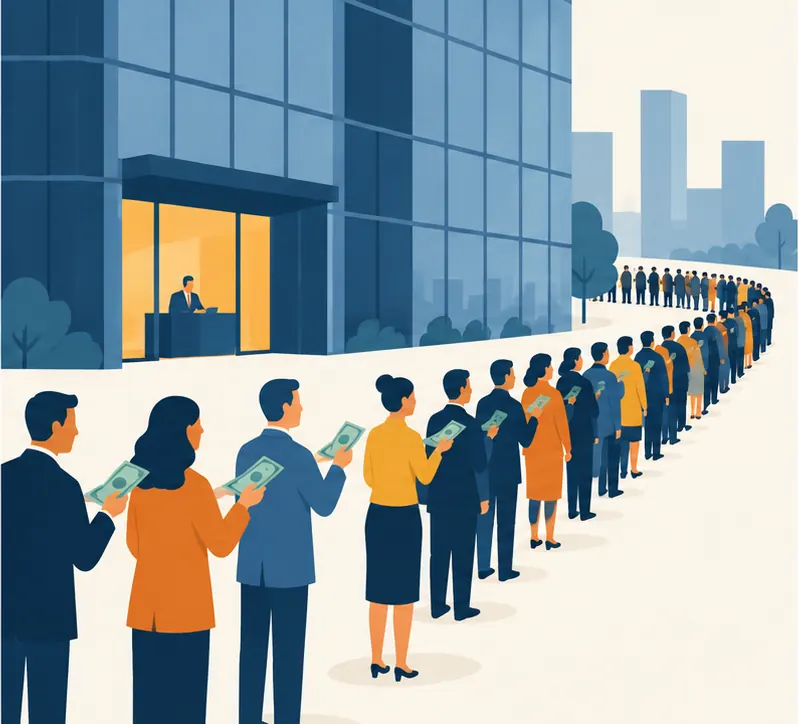
Microsoft sold $25 billion of bonds on Thursday in up to ten parts running from 2 to 40 years, and peak orders reached about $115 billion, people familiar with the deal told Bloomberg.

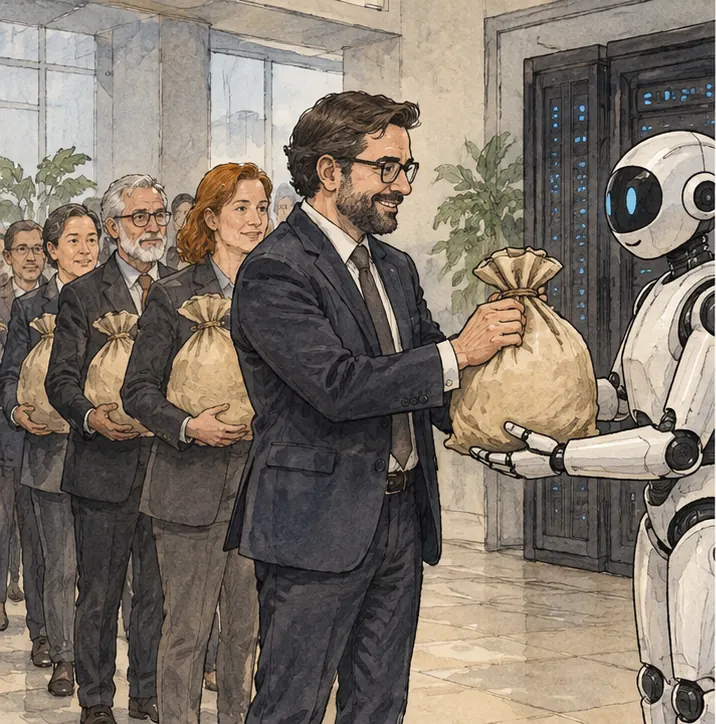
A long queue of investors stretching around the building, each holding out money, far more people than the stack of certificates could serve
The demand

The 40-year bond priced at 1.05 percentage points over Treasuries, as much as 0.3 points tighter than first guidance; Alphabet's lower-rated 40-year trades near 1.33. Proceeds go to general purposes including capital spending.

Three corporate buildings side by side, each with a pile of insurance coins in front of it: a small pile, a medium pile and a tall pile
The split

Hyperscalers and data-center developers have sold more than $313 billion of investment-grade bonds this year, nearly three times all of 2025. The market is now pricing them very differently. Credit-default swaps, the cost of insuring each company's debt, put Microsoft at about 54 basis points, Meta at 116 and Oracle at 275.

Full story and sources

1/3
The AI ReadFri Oct 30 · Morning

DeepSeek's round closes at about 105.5 billion yuan, with state investors holding 27%

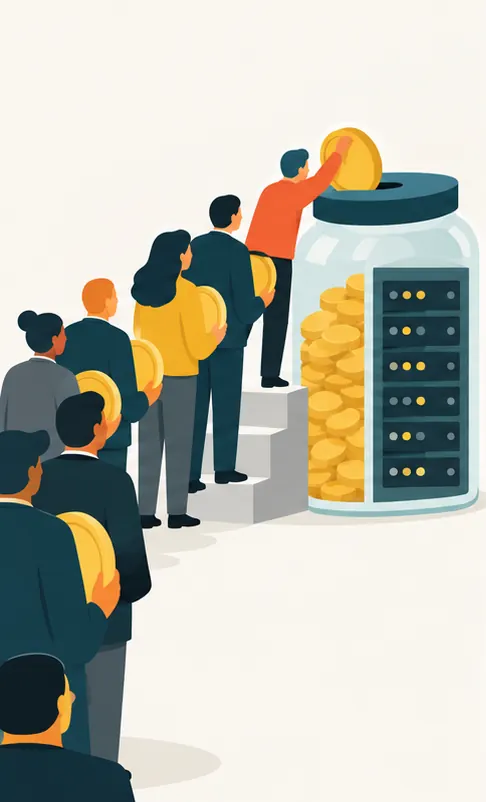
A long queue of investors pours coins into a big glass jar shaped like a server rack.
The round

DeepSeek's second funding round raised nearly $16 billion from close to 30 investors, The Information reported, and relays of its reporting put the total at 105.5 billion yuan and the valuation near 615.5 billion yuan.

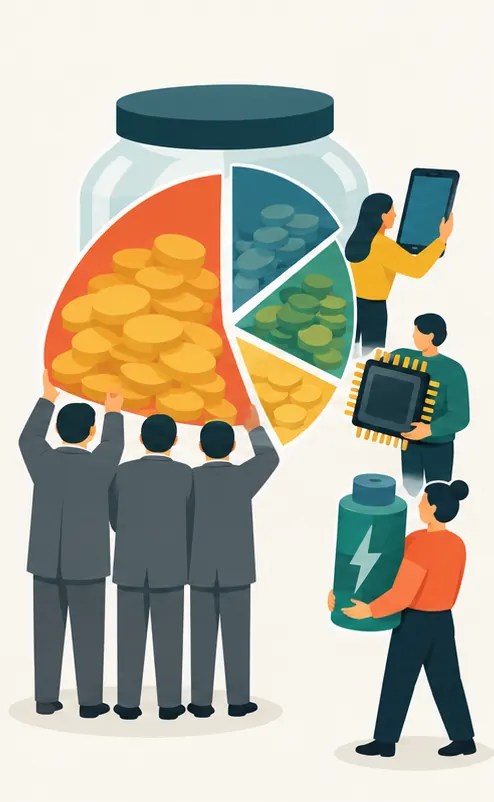
The jar's contents are split into slices; the largest is held by a group of faceless figures in plain grey suits seen from behind, others by people carrying a phone, a computer chip and a battery.
Who's in

Chinese state-owned investors took 27%. Tencent put in 10 billion yuan in each of the company's two rounds, CATL 5 billion across both and CATL's chairman, Zeng Yuqun, 10 billion personally. The chipmakers SMIC and CXMT, the phone maker vivo and the state carriers China Mobile and China Telecom are among the new names.

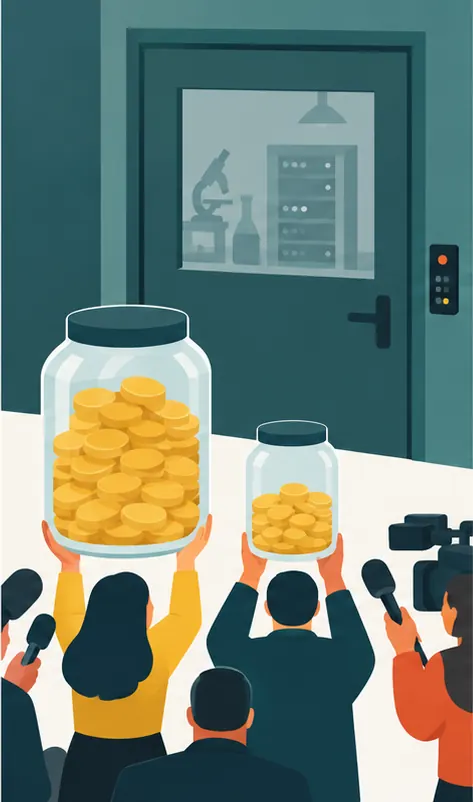
The lab's door stays shut with no one answering, while reporters hold up a jar twice the size of a smaller one beside it.
Unconfirmed

DeepSeek has not confirmed any of it. Last week's reports put the round at about 100 billion yuan, double its original 50 billion yuan target.

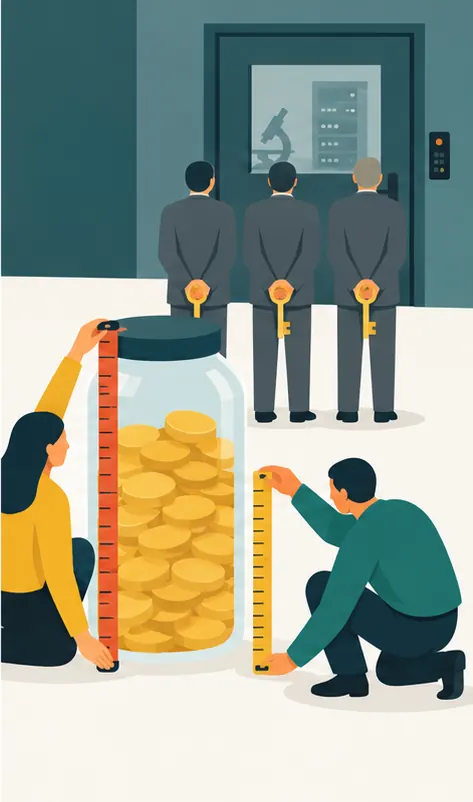
Two measuring tapes held against the jar disagree with each other, while the faceless grey-suited figures, seen from behind, hold keys to the lab's door.
What it means

The valuation figures conflict: Reuters reported about 500 billion yuan before the money, and the 615.5 billion figure is probably after it, though no source says so. Beijing's state funds are now direct owners of China's most important open-weight lab.

Full story and sources

1/4